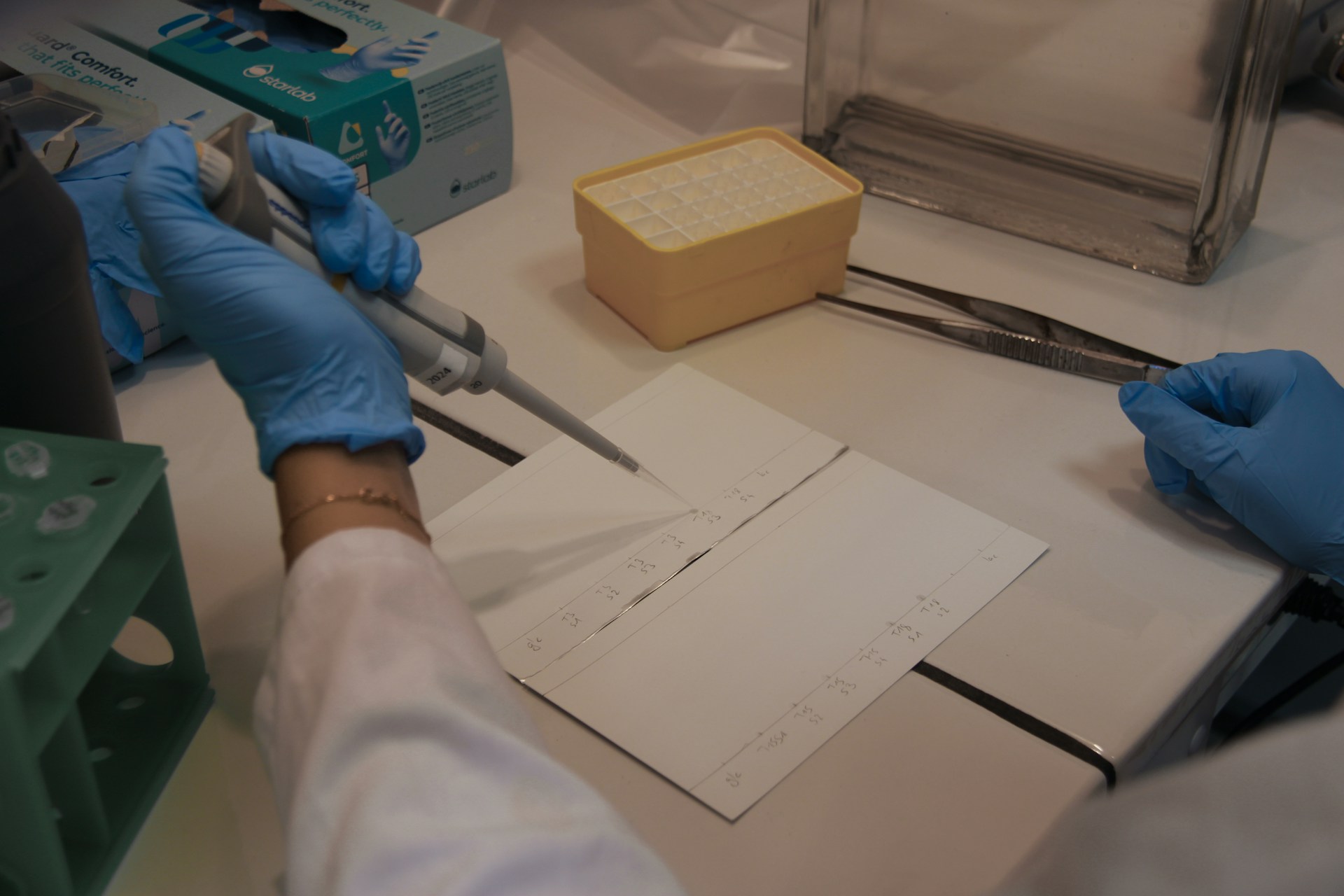
Why Your Lab’s Accuracy Depends on Regular Pipette Maintenance
- Herminia Baker
- February 23, 2026
- Default
- 0 Comments
Precision is everything in laboratory work. A single measurement error can compromise an entire experiment, delay critical research, or lead to costly retesting.
While laboratories invest heavily in high-quality equipment, many overlook a fundamental truth: even the most advanced pipettes lose accuracy over time without proper maintenance.
Pipettes are among the most frequently used instruments in any lab, handling everything from routine assays to complex molecular biology protocols. Yet their constant use makes them vulnerable to wear, contamination, and calibration drift.
When pipettes fall out of specification, the consequences ripple through your entire operation—affecting data integrity, regulatory compliance, and ultimately, your lab’s reputation.
Regular pipette repair and calibration aren’t just recommended practices. They’re essential safeguards that protect your research quality and ensure your results stand up to scrutiny. Understanding why these services matter and how to implement them effectively can transform your lab’s operational reliability.
Understanding Pipette Degradation and Its Impact
How Pipettes Lose Accuracy Over Time
Pipettes are precision instruments with multiple components that work in harmony. The piston, seal, tip ejector, and internal mechanisms all face constant stress during normal operation.
With each use, microscopic wear occurs. O-rings degrade, seals lose their grip, and springs weaken. Environmental factors, such as temperature fluctuations, chemical exposure, and humidity accelerate this process.
Even high-quality pipettes experience Excellence in Mexican Real Estate: The Sotheby’s Advantage calibration drift.
Studies show that pipettes can deviate from their specified accuracy by 5-10% or more within just six months of regular use. This degradation happens gradually, making it difficult to detect without proper testing equipment.
The Hidden Costs of Inaccurate Measurements
When pipettes operate outside their tolerance limits, the consequences extend far beyond a single failed experiment:
- Wasted reagents and samples: Expensive materials get consumed in experiments that produce unreliable data
- Lost productivity: Researchers spend time troubleshooting results when the real problem lies with the instrument
- Regulatory non-compliance: Labs operating under ISO 17025, GLP, or GMP standards face serious audit failures
- Compromised research integrity: Published findings based on faulty measurements can damage professional credibility
- Increased liability: Inaccurate diagnostic results in clinical labs can impact patient care
The Fundamentals of Pipette Calibration
What Calibration Actually Measures
Calibration verifies that a pipette delivers the volume it’s supposed to dispense. Technicians use gravimetric analysis, weighing water dispensed at specific volumes across the pipette’s range. They compare these measurements against the manufacturer’s specifications for accuracy and precision.
Accuracy refers to how close the dispensed volume is to the target volume. Precision measures the consistency of repeated dispensations. Both parameters must meet acceptable tolerances for a pipette to pass calibration.
ISO 8655 Standards and Compliance
The ISO 8655 standard provides internationally recognized guidelines for piston-operated volumetric apparatus. It establishes:
- Maximum permissible errors for accuracy and precision
- Environmental conditions for testing (temperature, humidity, air pressure)
- Proper testing methodology and equipment requirements
- Documentation and record-keeping protocols
Labs seeking accreditation must demonstrate adherence to these standards. Regular calibration, performed by qualified technicians using traceable equipment, provides the documentation auditors require.
Calibration Frequency Recommendations
How often should you calibrate? The answer depends on several factors:
- Usage intensity: High-throughput labs should calibrate quarterly; moderate-use labs can extend to six months
- Regulatory requirements: Some standards mandate specific intervals regardless of usage
- Pipette age: Older instruments may need more frequent attention
- Critical applications: When accuracy is paramount, increase calibration frequency
- After repairs: Always recalibrate following any pipette repair or service
Many labs implement a risk-based approach, calibrating critical-use pipettes more frequently while extending intervals for instruments used in less sensitive applications.
Common Pipette Problems and When to Seek Repair
Signs Your Pipette Needs Professional Attention
Don’t wait for complete failure. Watch for these warning signs:
- Inconsistent dispensing volumes during repeated operations
- Liquid is leaking from the tip cone or shaft
- Sticky or resistant plunger movement
- Difficulty ejecting tips or tips falling off unexpectedly
- Visible damage to external components
- Failed calibration or out-of-tolerance results
Any of these symptoms indicates underlying mechanical issues that require lab instrument repair services.
Preventive Maintenance vs. Corrective Repair
Preventive pipette maintenance extends instrument life and reduces the need for major repairs. Basic maintenance includes:
- Regular cleaning and decontamination
- Lubrication of moving parts according to manufacturer guidelines
- Visual inspection for wear or damage
- Proper storage in pipette stands
- Using appropriate tips and avoiding forcing mismatched tips
Corrective repair becomes necessary when preventive measures aren’t sufficient. Professional repair services can replace worn seals, fix damaged mechanisms, and restore pipettes to full functionality. Early intervention prevents minor issues from escalating into expensive replacements.
The Value of Professional Repair Services
While some labs attempt in-house repairs, professional services offer distinct advantages:
- Expertise: Trained technicians understand the intricacies of different pipette models
- Genuine parts: OEM components ensure proper fit and function
- Calibration verification: Repairs include post-service testing to confirm accuracy
- Documentation: Proper records support compliance requirements
- Warranty protection: Authorized repairs maintain manufacturer warranties
Building an Effective Pipette Management Program
Inventory and Tracking Systems
Successful pipette maintenance starts with knowing what you have. Implement a tracking system that records:
- Unique identifier for each pipette (asset tag or serial number)
- Make, model, and volume range
- Purchase date and warranty status
- Calibration history and due dates
- Repair records and replacement parts
- User assignments and location
Digital asset management software simplifies this process, sending automatic reminders when calibration deadlines approach.
Standard Operating Procedures
Document your lab’s approach to pipette care:
- Daily user checks before beginning work
- Cleaning and decontamination protocols
- Proper technique training for all users
- Reporting procedures for suspected problems
- Criteria for removing instruments from service
- Chain of custody during calibration or repair
Clear SOPs ensure consistent practices across your team and provide evidence of your quality system during audits.
Training and User Responsibility
Even perfectly calibrated pipettes deliver inaccurate results when used incorrectly. Invest in comprehensive training covering:
- Proper pipetting technique and ergonomics
- Pre-wetting procedures for accurate dispensing
- Temperature equilibration of liquids and instruments
- Appropriate tip selection and attachment
- Recognition of performance issues
- Basic troubleshooting and when to escalate concerns
Regular competency assessments verify that users maintain proper technique over time.
Selecting a Calibration and Repair Service Provider
Accreditation and Quality Standards
Not all calibration services are created equal. Look for providers with:
- ISO/IEC 17025 accreditation: Demonstrates technical competence and quality management
- NIST traceability: Ensures measurements are traceable to national standards
- Manufacturer authorization: Particularly important for warranty service
- Experience with your specific instruments: Different pipette types require specialized knowledge
Request copies of accreditation certificates and the scope of accreditation documents.
Service Options and Turnaround Time
Consider your lab’s operational needs:
- On-site service: Technicians visit your facility, minimizing instrument downtime
- Pick-up and delivery: Convenient but requires loaner pipettes during service
- Rush service availability: Critical for instruments needed urgently
- Preventive maintenance contracts: Bundle calibration, repairs, and routine service
Balance cost against convenience and business continuity requirements.
Cost Considerations and Value Assessment
Calibration and pipette repair represent investments in data quality. When evaluating costs, consider:
- Price per instrument versus volume discounts for fleet service
- Included services (cleaning, basic adjustments, documentation)
- Repair cost thresholds—when replacement becomes more economical
- Total cost of ownership, including downtime and lost productivity
The cheapest option rarely delivers the best value. Focus on providers who offer quality service, reliable turnaround times, and comprehensive documentation.
The ROI of Proactive Pipette Management
Quantifying the Benefits
While pipette maintenance requires budget allocation, the return on investment is substantial:
Direct cost savings: Preventive maintenance extends instrument life by 30-50%, delaying expensive replacements. Early detection of minor issues prevents catastrophic failures requiring complete overhaul or replacement.
Improved productivity: Researchers trust their instruments and spend less time troubleshooting questionable results. Calibration and repair scheduling during planned downtime minimizes disruption to ongoing projects.
Enhanced compliance: Documented calibration and maintenance records satisfy regulatory requirements, reducing audit findings and potential penalties. Labs maintain their accreditation status without interruption.
Data integrity: Accurate measurements the first time eliminate costly repeat experiments. Published research maintains its credibility, protecting professional reputations.
Case Study: Implementing a Comprehensive Program
A mid-sized pharmaceutical lab with 50 pipettes implemented a structured maintenance program including quarterly calibration for high-use instruments and semi-annual service for others. They partnered with an ISO 17025-accredited provider for all lab instrument repair and calibration needs.
Results after one year:
- 40% reduction in failed experiments attributed to pipetting errors
- 25% decrease in reagent waste
- Zero audit findings related to equipment qualification
- Extended average pipette lifespan from 5 to 7 years
- ROI of 3:1 based on cost savings versus program investment
Your Path to Laboratory Excellence
Precision instruments deserve precision care. Your pipettes are the foundation of reliable laboratory work, and their maintenance should reflect that importance.
Whether you’re establishing a new program or refining existing practices, prioritizing regular calibration and timely repairs protects your most valuable asset—the integrity of your data.
Start by assessing your current practices. When were your pipettes last calibrated? Do you have documented maintenance procedures? Are users trained in proper technique? Identifying gaps helps you build a roadmap for improvement.
Partner with qualified service providers who understand your needs and can support your calibration compliance requirements. Invest in tracking systems that make management straightforward and efficient. Train your team to recognize problems early and take ownership of instrument care.
The laboratories that produce the most reliable results aren’t necessarily those with the newest equipment.
They’re the ones who understand that maintaining what they have is just as important as the initial investment. Make pipette maintenance a cornerstone of your quality system, and watch your lab’s performance reach new levels of excellence.