Gold Earrings for Kids: Style, Safety & What to Look For
- Herminia Baker
- May 16, 2026
- Default
- 0 Comments
Every parent knows the moment: your daughter spots a pair of sparkly earrings and absolutely has to have them. It’s a rite of passage, a tiny declaration of personality. But choosing the right earrings for a child goes well beyond picking the prettiest pair. Materials matter. Comfort matters. Safety matters most of all.
This guide covers everything parents need to know before buying earrings for their little ones—from what metals to look for and which styles hold up best, to how to care for new piercings and where to find pieces worth keeping.
Whether you’re shopping for a first piercing or adding to an already-beloved collection, the right information makes all the difference.
Why Metal Choice Matters More Than You Think
Children’s skin is sensitive—far more than adults give it credit for. A metal that seems harmless to a grown-up can trigger itching, redness, and even infection in a young child. This is why the metal used in kids’ earrings deserves serious attention before anything else.
The Problem With Nickel
Nickel is the most common cause of contact dermatitis in children, and it turns up in a surprising number of low-cost earrings. Reactions can range from mild itching to painful blistering around the ear. Once a sensitivity develops, it often becomes a lifelong issue.
The safest approach is to avoid nickel-containing metals entirely, especially for newly pierced ears.
Metals That Are Gentle on Sensitive Skin
The following materials are widely recommended by dermatologists and pediatricians for children’s jewelry:
- 14k or 18k gold – Solid gold contains minimal alloys and is unlikely to cause reactions. The higher the karat, the purer the gold content.
- Titanium – Lightweight, incredibly durable, and biocompatible. Titanium earrings are one of the top choices for children with especially sensitive skin.
- Sterling silver – A good option, though some sterling silver pieces contain trace nickel. Look for pieces labeled “nickel-free.”
- Surgical-grade stainless steel – Affordable and durable, though quality varies by brand.
- Platinum – Hypoallergenic and long-lasting, though typically at a higher price point.
When in doubt, always check the product description for explicit “nickel-free” or “hypoallergenic” labeling before purchasing.
Understanding Hypoallergenic Kids Earrings
“Hypoallergenic” is a term that gets thrown around often in the jewelry world, but it’s worth understanding what it actually means—and what it doesn’t.
What Hypoallergenic Really Means
The term hypoallergenic means a product is formulated to minimize the risk of allergic reactions. It does not guarantee zero risk, but it does indicate that the manufacturer has taken steps to exclude the most common irritants, particularly nickel.
For hypoallergenic kids earrings, look for pieces crafted from materials like titanium, 14k gold, or high-quality stainless steel. These materials have strong safety track records for children’s use and are frequently recommended by pediatric dermatologists.
Red Flags to Watch For
When shopping, avoid earrings that:
- Have no metal content listed on the product page
- Are labeled only as “gold-toned” or “gold-plated” without specifying the base metal
- Come in multipacks at very low price points (these often rely on nickel-heavy alloys)
- Have a strong metallic or chemical smell straight out of the packaging
A small investment in quality materials pays off in comfort and longevity—and spares a child the discomfort of a reaction.
The Best Styles of Children’s Gold Earrings
Once you’ve confirmed the metal is safe, style becomes the fun part. The right style depends on the child’s age, activity level, and personal taste.
Stud Earrings
Studs are the gold standard for young children—and for good reason. They sit flat against the earlobe, reducing the risk of snagging during play. They’re also easy to put in and take out, which matters a lot for wiggly little ones. For newly pierced ears, studs are almost always the first recommendation.
Popular stud designs for children include:
- Simple gold balls or discs
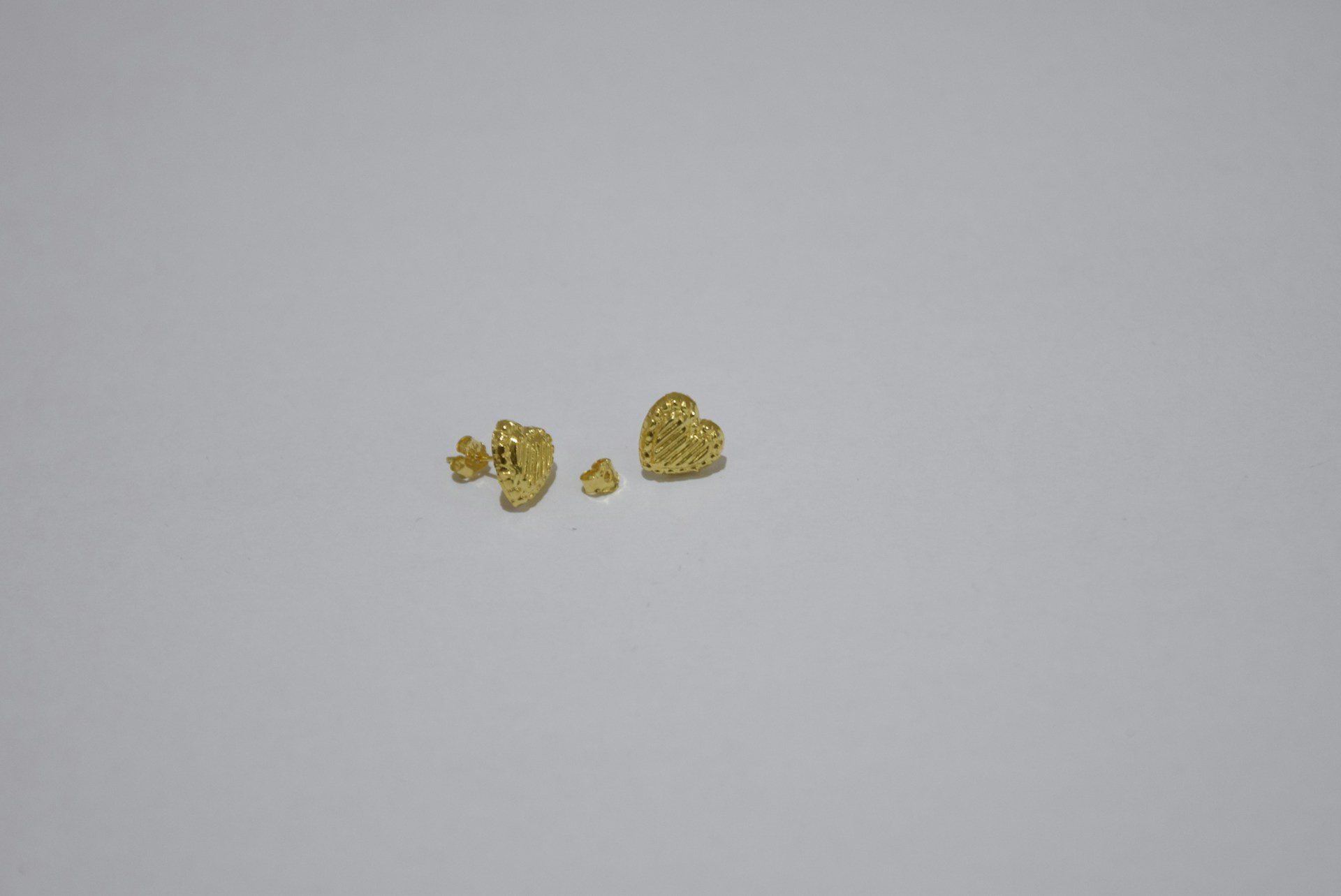
- Stars, hearts, and flower shapes
- Gemstone or crystal accents in soft colors
- Daisy and floral motifs
Hoop Earrings
Small hoop earrings work well for older children who are past the initial piercing stage. Titanium hoop earrings, in particular, are popular for their durability and lightweight feel. Stick to smaller diameters to minimize the risk of catching on clothing or hair.
Drop and Dangle Earrings
These are best suited for special occasions rather than everyday wear. Dangling earrings carry a higher risk of being pulled or caught, so they’re typically more appropriate for children aged eight and up who are able to take care when wearing them.
Safe Kids Jewelry: Key Features to Look For Beyond the Metal
Even the right metal doesn’t tell the whole story. Construction quality and design details play a significant role in keeping children safe and comfortable.
Secure Backings
Earring backs are easy to overlook, but they’re critical. Butterfly backs are standard but can loosen over time. Screw-back earrings offer a more secure fit and are a smart choice for young children who are still getting used to wearing jewelry.
Smooth Finishes
Run your finger along the earring before buying, or check reviews for mentions of rough edges. Any sharp points or uneven finishes can irritate the piercing site or scratch the skin around the ear.
Appropriate Weight
Heavy earrings can stretch the piercing, especially in young children whose ear tissue is still developing. Look for lightweight designs—titanium and hollow gold styles tend to be lighter than solid metal options.
Lead-Free Certification
Lead and cadmium sometimes appear in low-cost jewelry, particularly imported costume pieces. Reputable brands will specify that their pieces are free from both metals. This is non-negotiable for safe kids jewelry.
How to Care for a Child’s New Piercing
Getting ears pierced is exciting, but the weeks that follow require some care and attention. A well-maintained piercing heals cleanly; a neglected one can become a source of pain and potential infection.
The First Six to Eight Weeks
This is the most critical period. During this time:
- Keep the earrings in at all times. Removing them too early—even briefly—can cause the piercing to close.
- Clean the piercing twice daily using a sterile saline solution. Avoid alcohol or hydrogen peroxide, which can slow healing.
- Rotate the earrings gently when cleaning to prevent them from adhering to the skin.
- Watch for signs of infection, including excessive redness, swelling, discharge, or warmth around the piercing. If any of these appear, consult a pediatrician.
Long-Term Earring Care
Once healed, encourage your child to:
- Remove earrings before swimming, bathing, or sports activities
- Store earrings in a clean, dry container to avoid tarnishing
- Swap out earrings with clean hands only
Even high-quality childrens gold earrings benefit from occasional polishing with a soft cloth to maintain their shine.
How to Choose the Right Pair for Your Child’s Personality and Style
The best earring is one a child genuinely loves wearing. Jewelry for kids works best when it reflects their individuality—and that means taking their input seriously.
Start a Conversation
Ask your child what draws them in. Do they love bright colors? Geometric shapes? Animals? Nature-inspired designs? Letting children participate in the selection process makes them more likely to take care of the piece and wear it with confidence.
Match the Occasion
A practical wardrobe of childrens gold earrings might include:
- Everyday studs in a simple gold or gemstone design
- A fun pair with playful shapes like stars, butterflies, or florals for school or playdates
- A dressy option for birthdays, recitals, or family celebrations
Consider Longevity
Trends come and go, but quality pieces last. Timeless designs—simple gold studs, small hoops, classic flower shapes—tend to remain favorites as children grow. A well-made pair of earrings bought at age five can still be treasured at fifteen.
Little Ears Deserve the Best
Choosing earrings for a child isn’t a complicated process, but it does require some thoughtfulness. Safe materials, secure construction, and age-appropriate styles are the foundation. Everything else—the sparkle, the shape, the color—is where personality gets to shine.
The good news is that safe and stylish are far from mutually exclusive. With the right knowledge, parents can confidently pick pieces that look beautiful, feel comfortable, and stand up to the energy of childhood. Explore Simply Whispers’ collection of hypoallergenic earrings for kids to find pieces crafted with care, designed for little ears, and made to be loved for years to come.